صراحة نيوز- قررت حكومة اليابان تقديم منحة قدرها ثلاثمائة وواحد وسبعون ألفاً وثمانمائة وثلاثة دولاراً أمريكياً (371,803$) إلىمنظمة KnK اليابانية “أطفال بلا حدود”، وهي منظمة يابانية غير حكومية، من أجل دعم إنشاء بيئة تعليمية شاملة للفئات المستضعفة في عمان.
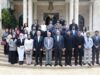
وتم توقيع عقد المنحة في 3 آذار عام 2026 بين السيد أساري هيديكي، سفير اليابان لدى المملكة الأردنية الهاشمية والسيدة ماتسوناجا هاروكو، مديرة المشروع في مكتب أطفال بلا حدودفي الأردن.
وستساهم هذه المنحة في دعم إنشاء بيئة تعليمية في الأردنتُمكّن الأطفال الأكثر عرضة للظروف الصعبة بمن فيهماللاجئون أو المتعثرون مالياً، من مواصلة تعليمهم في جوٍّ آمنوداعم. ولتحقيق هذا الهدف، سيوفر المشروع للمعلمين فرصاًلتعميق معرفتهم ببرنامج “توكاتسو” (مهارات الحياةالمدرسية)، المصمم لتعزيز المهارات غير المعرفية، وبل اخصالمهارات الاجتماعية ضمن السياق المدرسي، ولتعزيز فهمهملأهمية هذه الأنشطة وفعاليتها.
ويهدف المشروع، الذي يُنفذ في عمّان والكرك والمفرق (مخيمالزعتري للاجئين)، إلى دعم تحسين بيئات صفية آمنة وداعمةمن خلال تنفيذ أنشطة صفية متنوعة، كالتوجيه الصفي، وتوزيع المهام الطلابية، والتناوب بين الطلاب، والمناقشاتالصفية. وبناءً على نتائج هذه الأنشطة، سيعمل المشروعبتعاون مع مديريات التعليم المعنية لوضع آلية لتوسيع نطاقهذا النهج وتطبيقه في مناطق أخرى.
Mr. ASARI Hideki, Ambassador of Japan to Jordan, and Ms. MATSUNAGA Haruko, Project Manager of Kokkyo naki Kodomotachi (KnK: Children Without Borders), signed a grant contract of three hundred and one thousand, eight hundred and three US Dollars (US$371,803) for the project entitled “Project to enhance students’ non-cognitive skills and foster a safe and supportive learning environment through classroom activities in Jordan,” under the framework of the Government of Japan’s Grant Assistance for Japanese NGO Projects.
This project aims to improve the school environment in Jordan so that children in vulnerable situations—such as refugees and those facing economic hardship—can continue their education in a safe and supportive setting. Specifically, the project will be implemented in Amman Governorate, Karak Governorate, and Mafraq Governorate (Zaatari Syrian Refugee Camp). It will provide opportunities for education stakeholders to deepen their understanding of Tokkatsu (special activities), which focus primarily on fostering students’ social and other non-cognitive skills, and to recognize their significance and effectiveness in schools. Through classroom guidance, assigned duties and rotating roles, and class meetings, students will enhance their non-cognitive skills and work toward creating classrooms where they feel safe and secure. Based on the outcomes of the project, a model for expansion to other regions will be developed in collaboration with the relevant directorates of education.
The implementing organization, KnK, is a Japanese NGO with extensive experience in Jordan. Since 2018, under the JICA Partnership Program, KnK has introduced elements of Japanese-style education by implementing three types of Tokkatsu activities: class meetings, daily duty rotations, and mixed-age group activities.