

Saraha news- Jordan Kuwait Bank Group has published its first standalone Climate Report for 2025, setting out the Group’s approach to climate change, its measurement of greenhouse gas (GHG) emissions across its operations and financing activities, and the progress made in advancing the integration of climate-related considerations into its business activities, risk management framework, and decision-making processes.
The report reflects the Group’s commitment to strengthening climate-related disclosure and enhancing transparency.
Structured around four key pillars, which are governance, strategy, risk management, and metrics and targets, the report outlines the Group’s approach to identifying, assessing, and managing climate-related risks and opportunities. It also highlights the Group’s key climate-related achievements during 2025.
The report covers the period from 1 January to 31 December 2025 and has been prepared at the Jordan Kuwait Bank Group level. Its scope includes Jordan Kuwait Bank, United Financial Investments Company, Ejara Leasing Company, and Bank of Baghdad.
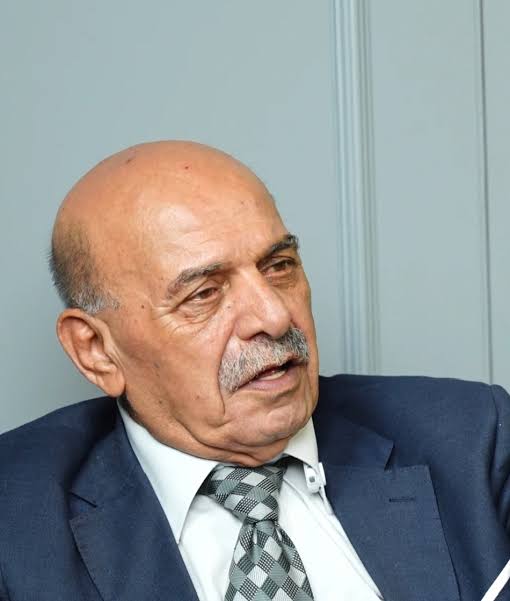
Haethum Buttikhi, Group Chief Executive Officer of Jordan Kuwait Bank, said that the publication of the Group’s first Climate Report reflects its commitment to strengthening climate resilience and enhancing its ability to manage climate-related risks and opportunities across its businesses, noting that climate change is reshaping the operating environment for financial institutions and that its impacts are particularly significant in Jordan, one of the world’s most water-scarce countries. These challenges can affect the sectors financed by the Group, the resilience of its clients, and its ability to create sustainable long-term value.
Buttikhi added that 2025 marked an important milestone in the Group’s climate journey, with the establishment of its first Group-wide greenhouse gas emissions baseline, covering emissions from its operations, value chain, and financing activities. He explained that the Group is also developing a decarbonization framework focused on reducing emissions from its operations and value chain, as well as financed emissions associated with its lending and investment activities.
During the year, the Group also strengthened its climate governance and climate risk management by expanding Board-level oversight and integrating climate-related considerations into its risk management framework and stakeholder engagement plans. The Group also -participated in stress testing exercises that included climate related stress-tests, in line withthe Central Bank of Jordan.
At the same time, the Group continued to support the transition to a low-carbon economy through sustainable finance. Its green lending portfolio continued to grow, while the proceeds from Jordan’s first green bond were fully allocated to financesustainable water and wastewater projects.
The Group also partnered with the European Investment Bank(EIB) to support the private sector’s green transition. Through this partnership, Jordan Kuwait Bank became the first implementing partner in the region of EIB’s first Green Transition Facility guarantee.
The report was prepared with reference to IFRS S2, the climate-related disclosure standard issued by the International Sustainability Standards Board (ISSB), as well as the climate-related disclosure requirements issued by the Central Bank of Jordan and the Amman Stock Exchange.
The Group also applied internationally recognized methodologies to support the measurement and disclosure of itsgreenhouse gas emissions. These include the Corporate Standard and Corporate Value Chain Standard issued by the Greenhouse Gas Protocol (GHG Protocol), as well as the methodology developed by the Partnership for Carbon Accounting Financials (PCAF) for measuring and disclosing financed emissions.
Jordan Kuwait Bank’s membership in PCAF further supports its efforts to strengthen the measurement and disclosure of greenhouse gas emissions associated with its financing activities.
The report represents an important step in the Group’s climate journey, helping to improve the quality of climate-related data and disclosures, advance the integration of climate risks into decision-making, and expand sustainable finance in support of the transition to a more resilient and lower-carbon economy.
To view the First Climate Report for 2025, please click on the following link: https://bit.ly/4zhamzA